
Literary Fiction

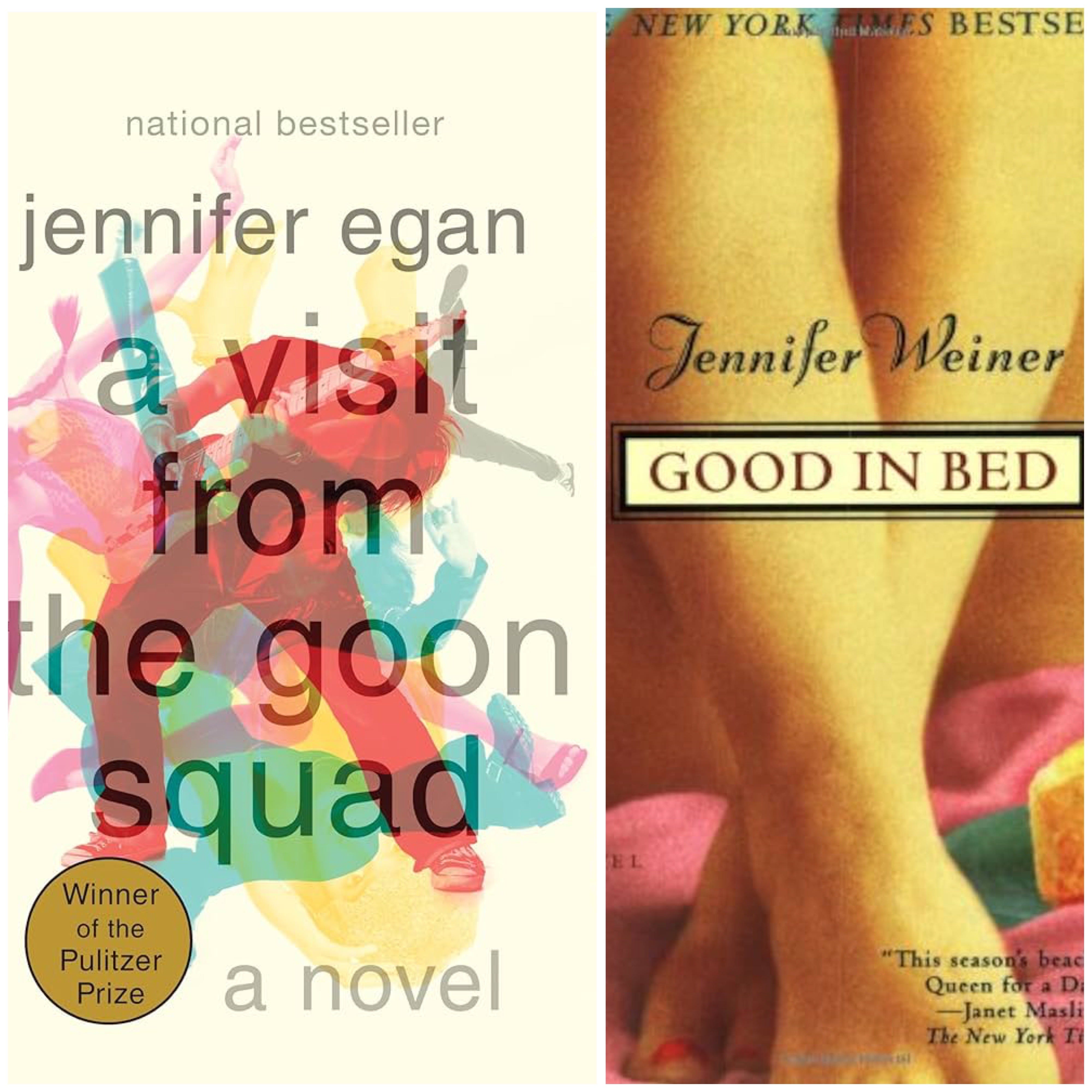
I’ve spent a lot more time on Threads lately, mostly because I’ve been asking technical questions. I’ve asked questions about storylines and plot points to crickets. On the verge of sleep a week ago, I posed a question about camera lenses thinking I was just talking to myself. I woke up to dozens of replies from people in the field from beginners to pros. Say what you will about all art fields, the gear and crew side will tell you how it is.
Then there were the Threads about Withering Heights and The Washington Post.
For the Brontë story that Fennell utilized to have Jacob Elordi again to herself I will answer neutrally. I don’t plan to watch it. The Fiennes and Binoche version is enough for me. That story is like Brokeback Mountain for straight people except one of them was fighting through institutional racism and the other was just kind of a bitch. Though I completely acknowledge that the sister’s books helped revolutionize female authors and stand as windows into the lives of people in that era.
Fennell’s movie looks like The Bridgerton version of the classic. Here’s the thing, the Bronte’s are considered classic literary writers, but it’s chick lit, right? I’m not knocking it, we are talking about it 200 years later, but come on. Emily wrote about Heathcliff and Kathy, and her sister Charlotte wrote Jane Eyre where a rich guy’s mixed race wife dies in a fire and then he’s single. What happened in their home that these are the backstories for their characters?
During the same time, Walt Whitman wrote Leaves of Grass and John C. Fremont was immortalizing the sequoias. I just know at some small newspaper outpost in the middle of nowhere there was an Elsa Dutton that completed a manuscript about her travels across the Oregon Trail and some editor asked her if she would rather write something about a lunch she attended. That girl threw her manuscript away and Fennell will never get the chance to make that film with Elordi as a half-beige savage stoically and loyally following her across the Wild West wearing nothing but a pair of moccasins and a scar across his washboard abs.
This brings me to literary fiction. I don’t remember why this story lives rent free in my mind. Jennifer Weiner wrote her debut novel Good in Bed and Pulitzer-Prize winning novelist Jennifer Egan called it chick lit. Could you imagine graduating from Yale, getting your first manuscript on the New York Times bestseller list and the year’s Pulitzer winner calls it a Substack story? That would burn.
I remember thinking both stories were similar, but a decade later I have an appreciation for their differences. Weiner’s story is about a woman going through a divorce and remembering her own parent’s divorce. Egan’s book was about someone reminiscing about their life while walking through NYC.
I would describe it today as immediacy. In Weiner’s story, it was happening in real time. Egan’s story spanned decades with callbacks and remorse. I relate to the latter more, but maybe it’s just the demographic change.
What I really remember from Egan’s book is that the character put gold flakes in their cocaine. What in the name of privilege? How do you even explain that to an ER doctor? The book came out in 2011, which means she wrote it around 2008, in the middle of the worse stock crash in our lifetimes. While half the country were losing their homes, the literary fiction manhattanites were putting gold flakes in their cocaine? Is Bezos a bad guy or is he their reckoning for wasted resources?
All jokes aside. Literary fiction, however you qualify it, is disappearing. The Washington Post lost their critics review section along with half their staff. Moreno-Garcia’s The Daughter of Dr. Moreau was just dropped from development. Could you imagine that story on the big screen with Withering Heights’ budget? With all of this happening; I get why Egan’s story about walking down a street and remembering so many different eras happening simultaneously on it is important.
If Barnes and Noble will continue to stock half their units with fan fiction and Substack churns out AI-dependent writers, how much dumber will we become? The Egan’s can’t disappear. I made fun of them a decade ago, but their observations stay true through time. A century from now will someone debate on audio-only Substack that the film adaptation of a college graduate dealing with divorce is high art?
I don’t know. I do know that a fellow librarian taught me a word this week: Dramoine. That’s popular fan fiction about the Harry Potter characters Hermione and Draco. The embarrassment that I felt over this. A large number of us who remember exactly where we were during 9/11 are self-soothing with spicy stories about two characters from a YA series. My house is Gryffindor and my wand is made with a phoenix core, but I never want to know what middle-aged Hermione and Draco are up to. We need the Egan’s to continue what they’re doing. After winning a Pulitzer, they just need to get Elordi holding it on the subway and the world will learn about it.